
Dua for Protection: Prophetic Duas for You and Your Family
If you are looking for a dua for protection, the Prophet ﷺ taught us a dua for almost every part of the day: when we wake, when we leave the house, when we come home and when we travel. Learn the ones below, say them with certainty in Allah, and keep them part of your day.
This article covers the duas for you, your family and your home. The dua for protection from the evil eye, the duas over children and the protective surahs each have their own article, and we link to them where they belong.
Morning and evening duas of protection
The Prophet ﷺ taught duas to say at the start and the end of the day. Make them a habit, and say them slowly.
The dua whose name protects from harm
Uthman ibn Affan reported that the Prophet ﷺ said that whoever says this three times in the morning will not be struck by sudden harm until the evening, and whoever says it three times in the evening will not be struck by sudden harm until the morning:
بِسْمِ اللَّهِ الَّذِي لَا يَضُرُّ مَعَ اسْمِهِ شَيْءٌ فِي الْأَرْضِ وَلَا فِي السَّمَاءِ وَهُوَ السَّمِيعُ الْعَلِيمُ
"In the name of Allah, with whose name nothing on the earth or in the heavens can cause harm, and He is the All-Hearing, the All-Knowing."
- Narrated by Uthman ibn Affan, Sunan Abi Dawud and Jami at-Tirmidhi
Say it three times in the morning and three times in the evening. It places the whole day in the care of the name of Allah.
The dua the Prophet ﷺ never left, morning and evening
Abdullah ibn Umar reported that the Prophet ﷺ never left these words, morning or evening:
اللَّهُمَّ إِنِّي أَسْأَلُكَ الْعَافِيَةَ فِي الدُّنْيَا وَالْآخِرَةِ، اللَّهُمَّ إِنِّي أَسْأَلُكَ الْعَفْوَ وَالْعَافِيَةَ فِي دِينِي وَدُنْيَايَ وَأَهْلِي وَمَالِي، اللَّهُمَّ اسْتُرْ عَوْرَاتِي وَآمِنْ رَوْعَاتِي، اللَّهُمَّ احْفَظْنِي مِنْ بَيْنِ يَدَيَّ وَمِنْ خَلْفِي وَعَنْ يَمِينِي وَعَنْ شِمَالِي وَمِنْ فَوْقِي، وَأَعُوذُ بِعَظَمَتِكَ أَنْ أُغْتَالَ مِنْ تَحْتِي
"O Allah, I ask You for well-being in this world and the next. O Allah, I ask You for pardon and well-being in my religion, my worldly life, my family and my wealth. O Allah, cover my faults and calm my fears. O Allah, protect me from in front of me and from behind me, from my right and from my left, and from above me, and I seek refuge in Your greatness from being struck from beneath me."
- Narrated by Abdullah ibn Umar, Sunan Abi Dawud and Sunan Ibn Majah
Notice how complete it is. It asks for well-being in religion, in this life, in family and in wealth, and then for protection from every side. For the other morning and evening remembrance, see the dua for protection from the evil eye.
Duas for leaving the house, coming home and travelling
Leaving the house
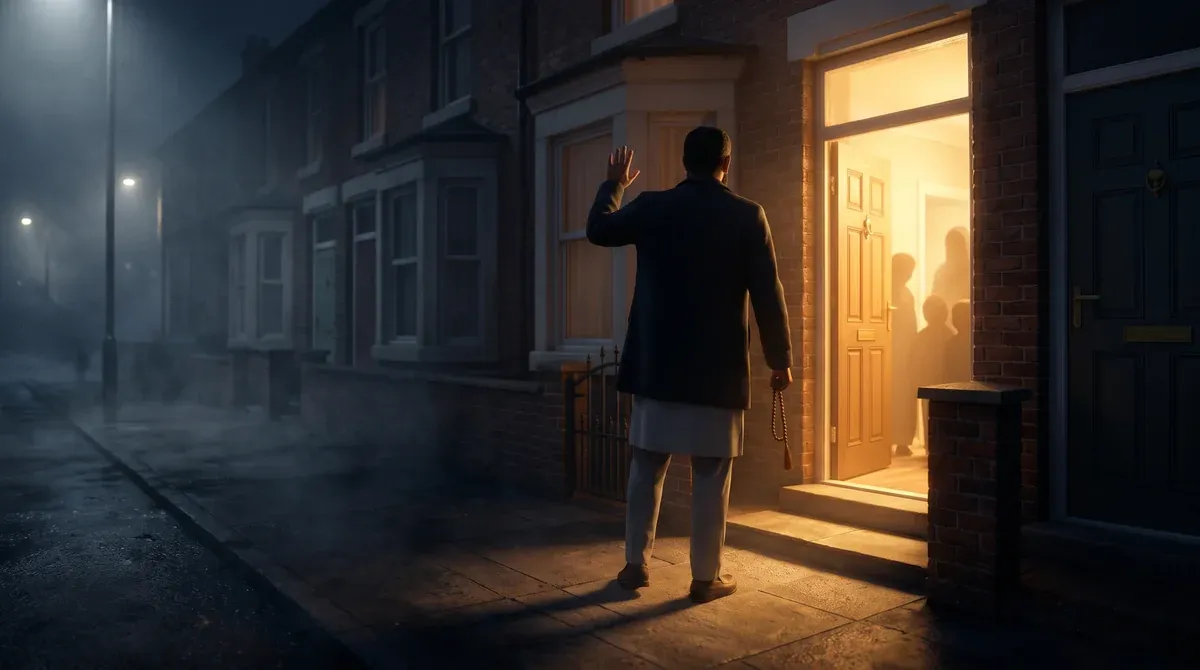
Anas ibn Malik reported that the Prophet ﷺ said that when a person leaves their house and says this, it is said to them: You are guided, you are defended and you are protected, and the shaytan steps away from them:
بِسْمِ اللَّهِ، تَوَكَّلْتُ عَلَى اللَّهِ، لَا حَوْلَ وَلَا قُوَّةَ إِلَّا بِاللَّهِ
"In the name of Allah, I place my trust in Allah, there is no might and no power except with Allah."
- Narrated by Anas ibn Malik, Sunan Abi Dawud and Jami at-Tirmidhi
Umm Salamah reported that when the Prophet ﷺ left the house he used to say:
اللَّهُمَّ إِنِّي أَعُوذُ بِكَ أَنْ أَضِلَّ أَوْ أُضَلَّ، أَوْ أَزِلَّ أَوْ أُزَلَّ، أَوْ أَظْلِمَ أَوْ أُظْلَمَ، أَوْ أَجْهَلَ أَوْ يُجْهَلَ عَلَيَّ
"O Allah, I seek refuge in You lest I go astray or be led astray, lest I slip or be made to slip, lest I do wrong or be wronged, and lest I act foolishly or be treated foolishly."
- Narrated by Umm Salamah, Sunan Abi Dawud
Coming home
Your home is a place to protect as well. Jabir ibn Abdullah reported that the Prophet ﷺ said:
"When a man enters his house and mentions Allah when he enters and when he eats, the shaytan says: There is no lodging for you and no dinner."
- Narrated by Jabir ibn Abdullah, Sahih Muslim
So say Bismillah when you come in and when you sit to eat. It is a small habit, and it is how the Prophet ﷺ taught us to guard the home.
Travelling
When you set out on a journey, Ibn Umar reported that the Prophet ﷺ would say Allahu Akbar three times and then recite:
سُبْحَانَ الَّذِي سَخَّرَ لَنَا هَٰذَا وَمَا كُنَّا لَهُ مُقْرِنِينَ ﴿١٣﴾ وَإِنَّا إِلَىٰ رَبِّنَا لَمُنقَلِبُونَ
"Glory be to Him who has made this subservient to us, and we could never have done it ourselves. And indeed, to our Lord we will return."
- Surah Az-Zukhruf, 43:13-14. Ibn Umar reported that the Prophet ﷺ recited this, after saying Allahu Akbar three times, when he set out on a journey. Sahih Muslim
When you stop at a place on the way, there is also the dua narrated by Khawlah bint Hakim, which we give in full in our article on the dua for protection from the evil eye.
Dua for protection from enemies and harm
When someone intends harm, or when you simply feel afraid, there are duas for that too. Abu Musa al-Ash'ari reported that when the Prophet ﷺ feared a people, he would say:
اللَّهُمَّ إِنَّا نَجْعَلُكَ فِي نُحُورِهِمْ، وَنَعُوذُ بِكَ مِنْ شُرُورِهِمْ
"O Allah, we place You before them, and we seek refuge in You from their evil."
- Narrated by Abu Musa al-Ash'ari, Sunan Abi Dawud and Musnad Ahmad
It places Allah between you and the one you fear, and asks Him for refuge from their evil.
Alongside it is the phrase of complete trust in Allah. Allah tells us what was said when people were told to fear those who had gathered against them:
حَسْبُنَا اللَّهُ وَنِعْمَ الْوَكِيلُ
"Allah is enough for us, and He is the best disposer of affairs."
- Surah Al Imran, 3:173. Ibn Abbas reported that Ibrahim (peace be upon him) said it when he was thrown into the fire, and that the Prophet ﷺ said it when people gathered against him. Sahih al-Bukhari
Say it when you feel afraid, and put the matter in Allah's hands. Trust in Allah does not mean leaving the means. It means taking the means and then relying on Him.
Protection for your family
Your family and your children are an amanah. The Prophet ﷺ confirmed the reciting of Ayat al-Kursi before sleep, and the surahs for protection in Islam explain when and how to recite it and the last two surahs. For the dua the Prophet ﷺ made over Hasan and Husayn, see our article on protecting children.
When protection is not enough
These duas are protection, and protection is not the same as treatment. If you have been saying them and you are still having sleepless nights, nightmares, sudden changes in mood, or troubles at home that have no clear cause, do not struggle with it alone. Some difficulties can be medical, and some can have a spiritual side, and what separates them is a proper assessment.
This is where ruqyah comes in. Ruqyah is recitation of the Qur'an and authentic duas, done under the guidance of a qualified Raqi, and it can help alongside medical care, by the permission of Allah. Read our guide on what ruqyah is in Islam, and the signs of the evil eye if you are wondering whether this is you.
Book your one-to-one Zoom session
How we can help
Sister or brother, if you have been protecting yourself with duas and still feel something is not right, the first step is an assessment. We will listen, look at the whole picture with you, and give you a clear plan. Healing is by the permission of Allah. Every session is online over Zoom, strictly one to one and confidential, and open to you wherever you are. Find out more about our private one-to-one ruqyah treatment.
Frequently asked questions
What is the best dua for protection?
There is no single best dua. The Prophet ﷺ taught different duas for different moments, so the strongest habit is to say the morning and evening duas every day, the dua for leaving the house when you step out, and Bismillah when you come home and eat.
Do I have to say these duas in Arabic?
The duas were taught to us in Arabic, and it is best to learn them as they were narrated. If you are still learning, you can read the meaning and make dua in your own language, and ask Allah for protection plainly. Many people begin with one short dua and add more over time.
Can I make dua for the protection of my family?
Yes. Making dua for your family is part of caring for them. Ask Allah to protect them, say the morning and evening duas with them in mind, and teach your children the short ones so that it becomes a habit in the home.
Is dua enough if I think I am affected?
Dua is always good and always worth making. But if something has been troubling you for a while, protection alone might not be enough, and a proper assessment can help you understand what is going on. See a doctor for anything physical, and speak to us if you want ruqyah guidance.
Medical note: some difficulties that feel spiritual can have medical causes. Dua and ruqyah work alongside medical care, never in place of it. If you have physical or mental health symptoms, please see a doctor as well.