
Surahs for Protection in Islam: Meaning and Practice
In Islam, several Surahs are commonly recited for seeking protection and spiritual comfort, including Surah Al Falaq, Surah An Nas, Ayat ul Kursi, and portions of Surah Al Baqarah. These recitations are part of daily remembrance and are used by Muslims to seek Allah’s protection and maintain spiritual awareness.
Why Quranic Recitation Is Used for Protection
The Quran is considered a source of guidance, remembrance, and spiritual strength.
Muslims recite specific verses:
To remember Allah
To seek protection
To strengthen faith
To maintain inner calm
Recitation is not about guarantees, but about turning to Allah sincerely.
Key Surahs Commonly Recited for Protection
Surah Al Falaq
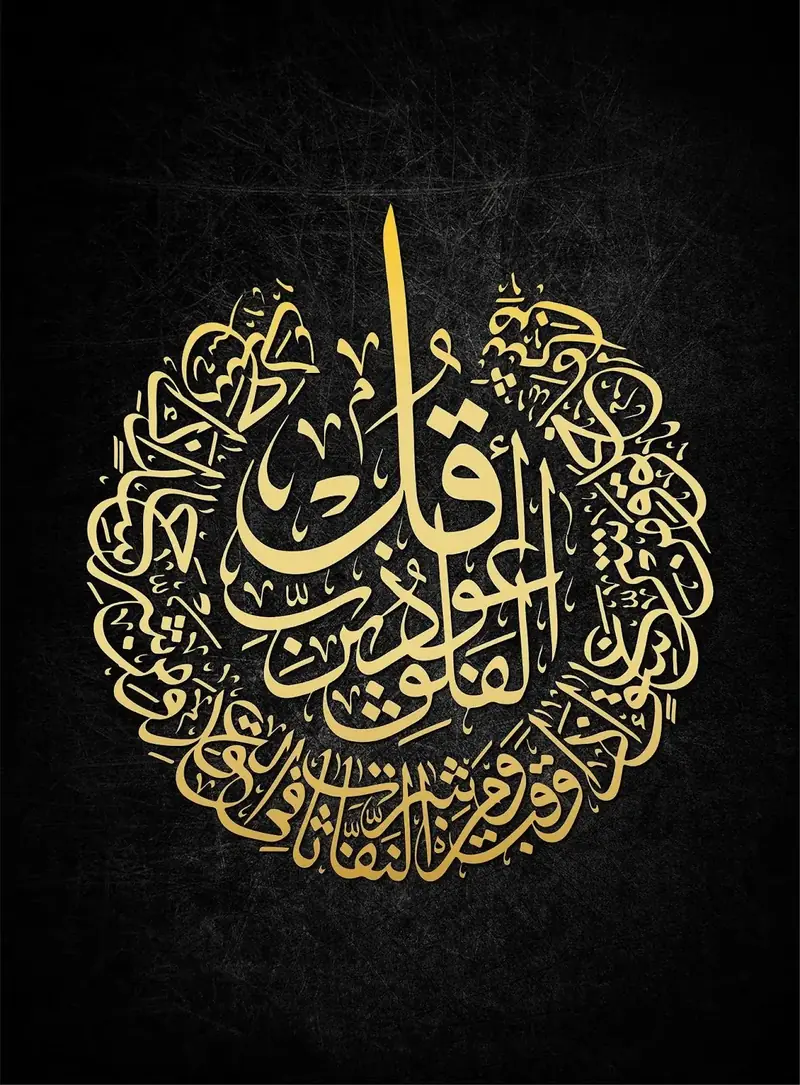
Surah Al Falaq is often recited for seeking protection from external harm.
It includes seeking refuge from:
Darkness
Envy
Negative intentions
It is commonly recited in the morning and evening.
Surah An Nas
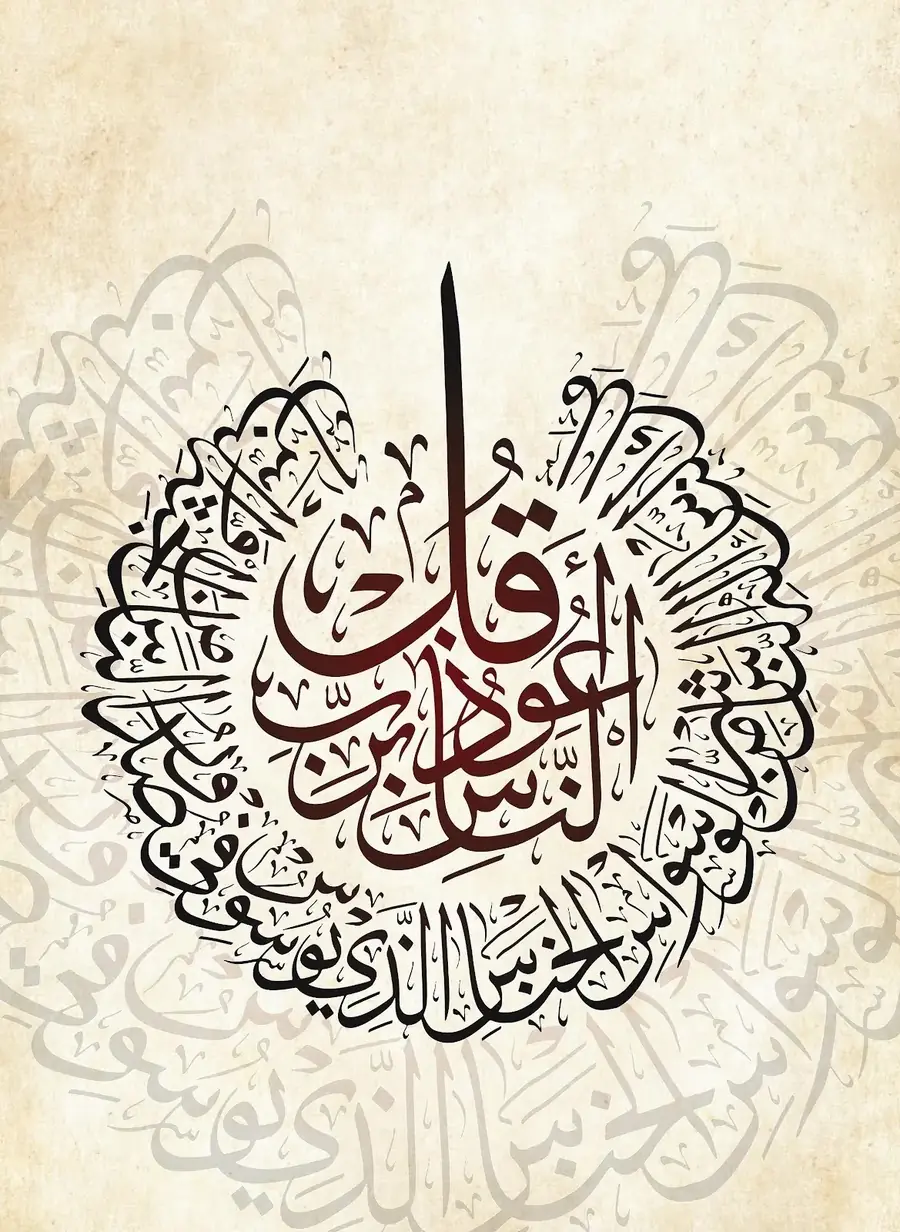
Surah An-Nas focuses on seeking protection from internal whispers and unseen influences.
It emphasises:
Reliance on Allah
Protection of the heart and mind
Ayat ul Kursi (Surah Al Baqarah 255)
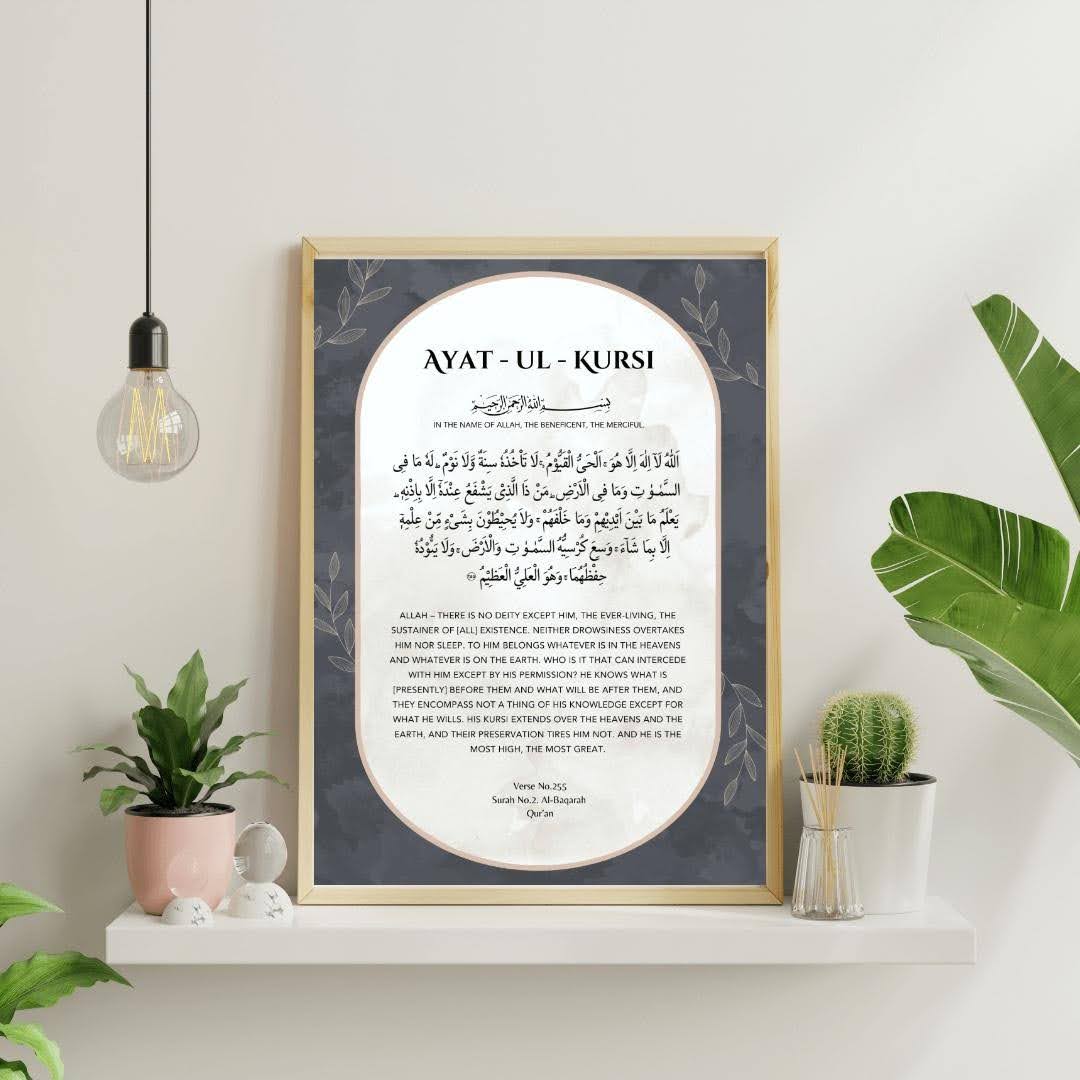
Ayat ul Kursi is one of the most widely recited verses for protection.
It highlights:
Allah’s power and authority
His knowledge over all things
Complete reliance on Him
Many Muslims recite it:
Before sleeping
After prayers
During times of distress
Last Two Verses of Surah Al Baqarah
These verses are often recited at night and are associated with protection and comfort.
They reinforce:
Faith
Trust in Allah
Seeking forgiveness
How to Incorporate These Surahs Into Daily Life
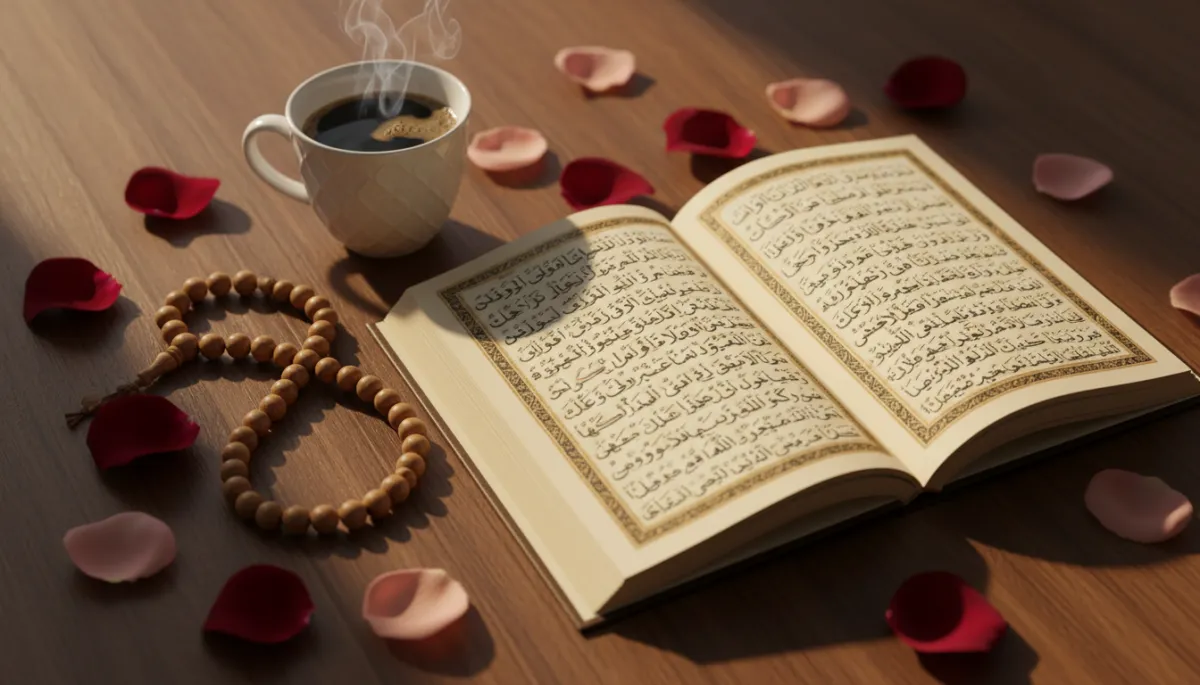
Many Muslims incorporate these recitations into their routine by:
Reciting morning and evening adhkar
Reciting before sleeping
Reciting after daily prayers
Teaching them to children
Consistency is more important than quantity.
The Connection Between These Surahs and Ruqyah
These Surahs are commonly recited during Ruqyah sessions.
Ruqyah involves:
Quranic recitation
Supplication
Seeking Allah’s protection
To learn more about Ruqyah:
What is Ruqyah According to Islamic Tradition? Complete Guide 2026
To explore sessions:
If daily recitation is not enough and the signs persist, book a 1-to-1 assessment with a trained Raqi, over Zoom, worldwide.
Important Reminder About Spiritual Practices
Quranic recitation is a spiritual act of worship.
It is important to remember:
It does not replace medical or psychological care
Experiences vary from person to person
It should be practiced with sincerity and understanding
For ongoing health concerns, consult qualified professionals.
How We Can Help
See how an online Ruqyah session works.
Ruqyah Treatment UK has served clients for over 20 years, strictly upon the Qur'an and Sunnah, with no amulets and no superstition.
1-to-1 Ruqyah session, around one hour with an experienced Raqi, held online over Zoom. Book your session.
Wherever you are in the world. All our sessions are online, with appointment times to suit your time zone. We serve clients across the UK, the United States, and worldwide, including many brothers and sisters in America who could not find a trusted Raqi near them.
Group Ruqyah, a live online session every Saturday, a gentle way to begin. Ask about it when you book.
Ongoing care, for those who need structured, longer-term support, ask about the Ruqyah Wellness Plan during your session.
Healing is from Allah alone. Our role is to apply the Qur'an and Sunnah with care, structure, and accountability, and to be honest with you about what you need.
Frequently Asked Questions
Which Surah is best for protection
There is no single “best” Surah. Many Muslims regularly recite Surah Al Falaq, Surah An Nas, and Ayat ul Kursi.
Can I recite these daily
Yes. These are commonly included in daily remembrance.
Do I need to understand Arabic
Understanding helps, but recitation itself is also valuable.
Can these be recited for family members
Yes, many Muslims recite for themselves and their families.
Are these part of Ruqyah
Yes, these verses are commonly recited during Ruqyah.
Explore Related Topics:
Understanding the Evil Eye in Islamic Tradition
How to Prepare for a Ruqyah Session (Islamic Guidance)
What is Ruqyah According to Islamic Tradition? Complete Guide 2026
Daily recitation not enough on its own?
Self-Ruqyah has its limits. Persistent signs need a trained Raqi's assessment. Our sessions are held online over Zoom, one to one, worldwide.