Black Magic Removal in Islam: How Sihr Is Treated
If you think sihr (black magic) is affecting you, or someone close to you, Islam gives a clear way to treat it. Black magic removal is done through ruqyah: recitation of the Qur'an and authentic duas from the Sunnah, carried out by a trained Raqi. Healing comes by the permission of Allah alone.
Below we explain how that treatment works, the practices Islam forbids, and how to book a session with us. If you want to know what a Raqi looks for in a session, our article on the signs of black magic in Islam covers that.
What black magic removal really means in Islam
Sihr is real, and the Qur'an speaks about it directly. Allah tells us that those who practise it "could not harm anyone through it except by the permission of Allah" (Surah Al-Baqarah, 2:102).
Sihr has a real effect. Think of poison: it has the ability to harm a person, yet it only harms when Allah permits it. Sihr is the same. Its effect is real, and whether it takes hold, and when it is lifted, is in the hands of Allah.
When the magicians of Fir'awn cast their sihr before Musa (peace be upon him), he said: "What you have brought is magic. Indeed, Allah will expose its worthlessness" (Surah Yunus, 10:81).
Even the Prophet ﷺ was affected by sihr. Aishah (may Allah be pleased with her) reported that a man cast sihr on him, and that Allah made its cause known to him and cured him (Sahih al-Bukhari 5763, Sahih Muslim 2189). Being affected is not a sign of weak faith. It happened to the best of creation, and the cure came from Allah.
So black magic removal means treatment: turning to Allah through the means He has made lawful, with patience. Every case is different, so no one can tell you in advance how long it will take, and the outcome rests with Allah. What we can tell you is that we are confident in our method, because it comes from the Qur'an and the Sunnah. When a client puts their trust in Allah first, then trusts the treatment plan we set out and follows it diligently, they will find relief from sihr, in sha Allah. To understand the foundations of this treatment, read what ruqyah is according to Islam.
The dua and recitation used against black magic
Many people search for a single dua to remove black magic. Ruqyah is wider than one dua. It is recitation of the Qur'an and authentic duas. Nothing else is part of it.
Surah Al-Falaq (113) is central. In it, Allah teaches us to seek refuge in Him "from the evil of those who blow on knots", a direct reference to the practice of sihr. Together with Surah An-Nas (114), it forms the Mu'awwidhatayn, the two surahs of seeking refuge.
There is protective recitation every Muslim can keep: the obligatory prayers, the morning and evening adhkar, and the surahs for protection in Islam. These are a shield. But self-ruqyah has limits. Listening to general recitation is not how sihr is removed. It needs a structured approach, based on what is really happening and adjusted as treatment goes on, and that needs a trained Raqi.
How a black magic treatment plan works
Treatment begins with a private one-to-one assessment. We recite from the Qur'an, listen carefully to your history, and ask about your health. Ruling out medical causes is part of the process from the start. You can read what happens during a ruqyah session before you book.
After the assessment, you are given a treatment plan of your own: structured, dedicated to you, and followed through week by week, so you are never left guessing between sessions.
Practices Islam forbids in treating sihr
The Sunnah draws clear lines around how sihr is treated. Knowing them protects you and your family. Authentic ruqyah never involves:
Personal items. Treatment does not require your clothing, hair or anything that belongs to you.
Your mother's name or date of birth. These play no part in ruqyah from the Qur'an and the Sunnah.
Naming who did the sihr. Claims to know the unseen belong to fortune-telling. The Prophet ﷺ said that whoever goes to a fortune-teller and asks about something, his prayer is not accepted for forty nights (Sahih Muslim 2230).
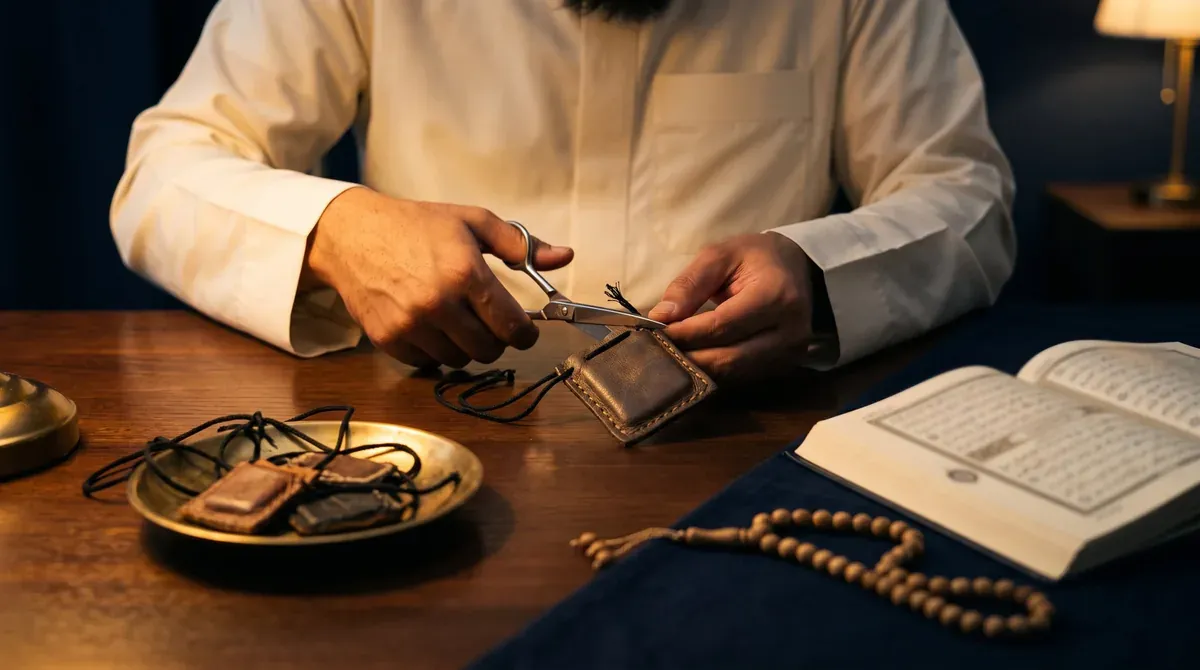
Amulets and talismans. These are rejected in Islam outright. The Prophet ﷺ named them as shirk, in the hadith explained in the next section.
Undoing sihr with sihr. When asked about this practice, known as nushrah, the Prophet ﷺ said it is from the work of Shaytan (Sunan Abi Dawud 3868).
A guarantee of cure. We work towards recovery with confidence, but shifa belongs to Allah alone.
Our sessions are recitation of the Qur'an and authentic duas, carried out with care, with nothing asked of you but your presence and your trust in Allah.
Is ruqyah shirk? A common misconception
Some people avoid ruqyah altogether because they have heard a hadith that seems to condemn it. The Prophet ﷺ said: "Indeed, ruqa, amulets and tiwalah (love charms) are shirk" (Sunan Abi Dawud 3883).
Ruqa is the plural of ruqyah: words recited over a person for healing or protection. The ruqa condemned in this hadith are spells that call on other than Allah. That is what makes them shirk.
The Prophet ﷺ made the line clear himself. When his Companions asked him about the ruqyah they used to practise before Islam, he did not reject it outright. He said: "Show me your ruqa," so he could judge them, and then said: "There is no harm in ruqa as long as they contain no shirk" (Sunan Abi Dawud 3886).
So the question is never whether ruqyah is allowed, but what it contains. Ruqyah from the Qur'an and authentic duas, calling on Allah alone, is not shirk. It is what we practise, and it is the opposite of the spells, amulets and charms the hadith warns against.
Book your one-to-one Zoom session
Black magic removal online, wherever you are
Our sessions take place online over Zoom, so you can reach us wherever you live, with no travel and no waiting. Every session is strictly one to one and confidential. Find out more about our online ruqyah sessions and our private one-to-one ruqyah treatment.
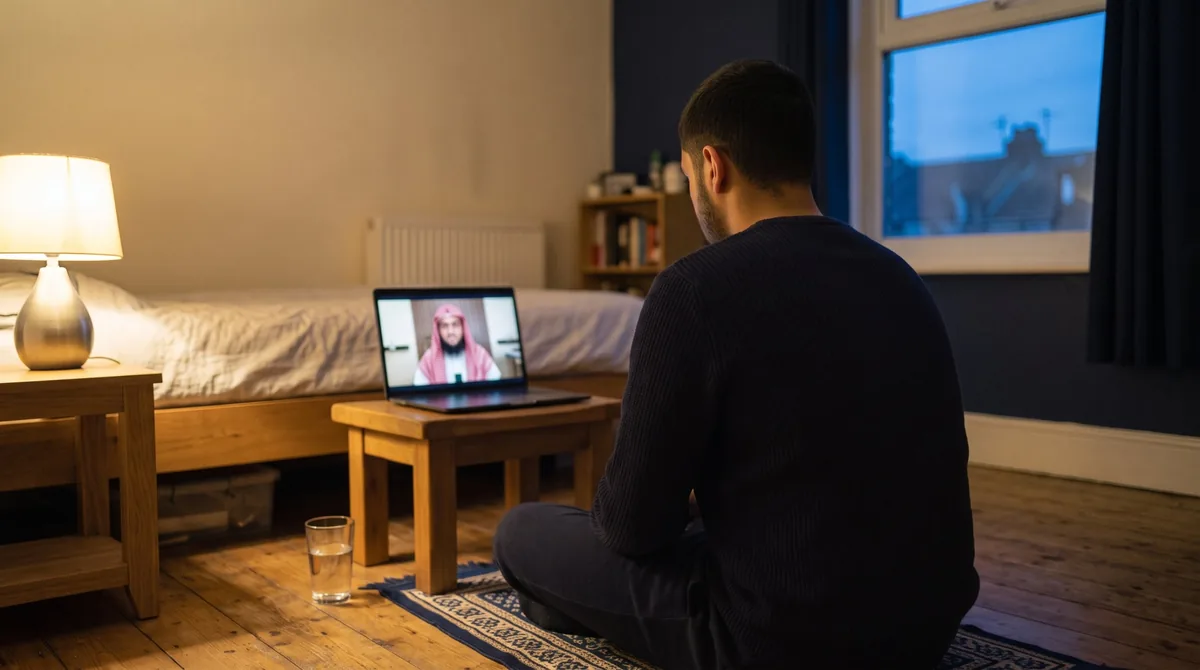
How we can help
Sister or brother, if sihr is affecting you, or someone close to you, the first step is an assessment. We will recite, listen, and set out a plan built on the Qur'an and the Sunnah, and stay with you through the treatment. Healing is by the permission of Allah.
Frequently asked questions
Can black magic be removed in Islam?
Yes. Black magic can be removed, and a person can be cured of it, by the permission of Allah. The Qur'an teaches that sihr harms only by Allah's permission (2:102), and the Prophet ﷺ himself was cured of it. Removal is through ruqyah from the Qur'an and authentic Sunnah, carried out by a trained Raqi.
What is the dua to remove black magic?
There is no single secret dua. Ruqyah is recitation of the Qur'an and authentic duas, and Surah Al-Falaq and Surah An-Nas are central. But listening to general recitation is not how sihr is removed. It needs a structured plan, based on what is really happening and adjusted as things change, which is why it needs a trained Raqi.
How long does black magic removal take?
No one can say in advance. Ruqyah is not a fixed science, and every case is different. What we offer is a proper assessment and a structured plan for your case. When you put your trust in Allah and follow the plan diligently, relief comes, in sha Allah, by His permission.
Can I get black magic removal in the UK or London?
Yes. We now work online over Zoom rather than from a fixed location, so people in London, across the UK and around the world can reach us. Every session is strictly one to one and confidential, and you can book a time that suits you through our booking page.
Do I need to give a Raqi anything for treatment?
No. Authentic ruqyah never requires your clothing, hair or other personal items, and never your mother's name or date of birth. Treatment is recitation of the Qur'an and authentic duas. All you bring is yourself, your honesty about what you are going through, and your trust in Allah.
Medical note: some of the difficulties people link to sihr can have medical causes. Ruqyah is a spiritual treatment and works alongside medical care, never in place of it. If you have physical or mental health symptoms, please see a doctor as well as seeking ruqyah.