Is Taweez Shirk? Amulets and Ruqyah Jewellery in Islam
Many Muslims wear a taweez, or pin one to a child's clothing, or hang one in the home, out of love and a genuine wish to protect the people they care about. So the question deserves an honest answer: is taweez shirk, and are amulets and ruqyah jewellery permissible in Islam? This guide answers plainly from the Qur'an and the Sunnah. It explains what a taweez is, what the Prophet ﷺ taught about wearing amulets, the question people most often raise, and the authentic protection Allah has actually given you, by His permission. We do not condemn anyone who wears one; the aim here is to guide, gently, to what is safer and clearer.
What is a taweez?
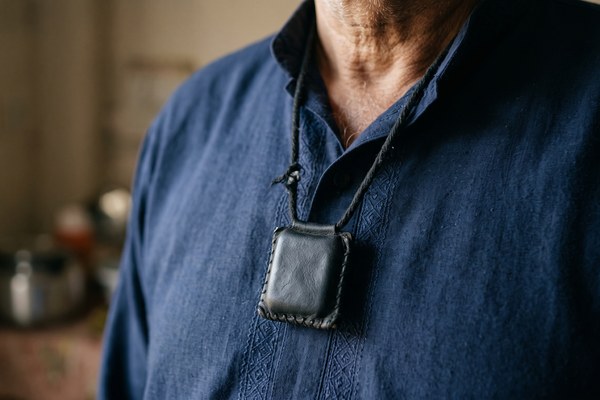
A taweez, also spelled tawiz and known in Arabic as a tamīmah (plural tamā'im), is an object worn on the body or kept in the home in the belief that it wards off harm, the evil eye, sihr, or misfortune, or that it brings good fortune. It is usually a small folded paper or a metal case on a string or chain, though it can also be a bead, a knotted thread, or a token. The words amulet and talisman describe the same thing.
What is inside them varies. Some hold numbers, squares of figures, symbols, the names of jinn, or words no one can read. Others are sold as containing verses of the Qur'an. "Ruqyah jewellery" is the modern version of the same idea: pendants, rings, lockets and bracelets marketed as carrying Qur'anic protection you can wear. Whatever the form and whatever the contents, the ruling question is the same, and the Sunnah answers it.
Is taweez shirk? What the Sunnah says
The Prophet ﷺ spoke directly about wearing amulets, and the words are strong. He ﷺ said, "Whoever wears an amulet has committed shirk," reported from the Companion Uqbah ibn Amir (may Allah be pleased with him) in Musnad Ahmad. And in the authentic narration from the Companion Abdullah ibn Mas'ud (may Allah be pleased with him), amulets (tamā'im) are named among the things that are shirk. So our position is plain, and it does not waver: wearing a taweez to ward off harm is not permitted in Islam.
Why would a small object be spoken of so seriously? Because of what the heart does with it. Protection and harm are in the hand of Allah alone. When a person hangs an object on a child and feels that the object itself keeps harm away, the heart has attached itself to a cause that Allah never made a cause. That turning of reliance towards an object, rather than towards Allah, is why the Sunnah names it shirk. It is not the paper that is the problem. It is where the heart is placed.
"But my taweez only has Qur'an in it"
This is the most common thing brothers and sisters say, and it comes from a sincere place. Here is the honest answer. The position of the Companion Abdullah ibn Mas'ud (may Allah be pleased with him) was to reject amulets without exception, and the authentic narration from him names amulets among the things that are shirk.
The Qur'an was sent down to be recited, reflected upon, and acted upon, and its protection reaches you through its recitation, not by being folded into a case and worn. There is no established practice from the Prophet ﷺ of writing out verses to be worn as an amulet. So we hold to the safer, clearer path and leave amulets aside altogether, whatever is written inside them. Where a person leaves a doubtful thing for the sake of Allah, He gives them something better in its place, by His permission.
Ruqyah jewellery, pendants and protection lockets
Ruqyah jewellery is sold widely now: a pendant said to hold a verse, a ring engraved with a Name, a locket described as a shield against the evil eye. It is marketed as a convenient, permissible way to carry the Qur'an's protection with you. However it is framed, wearing an object as a means of protection is the very thing the narrations above address, and our position on it is the same as on any other amulet.
There is a practical warning here too. A buyer has no way to verify what is really inside a sealed case or an engraved piece, and much of what is sold in this market carries symbols or unknown words rather than what is claimed. But even setting that aside, the answer does not change: the protection Allah has given is in reciting His words, not in wearing them.
Book your one-to-one Zoom session
The authentic protection Allah has given you
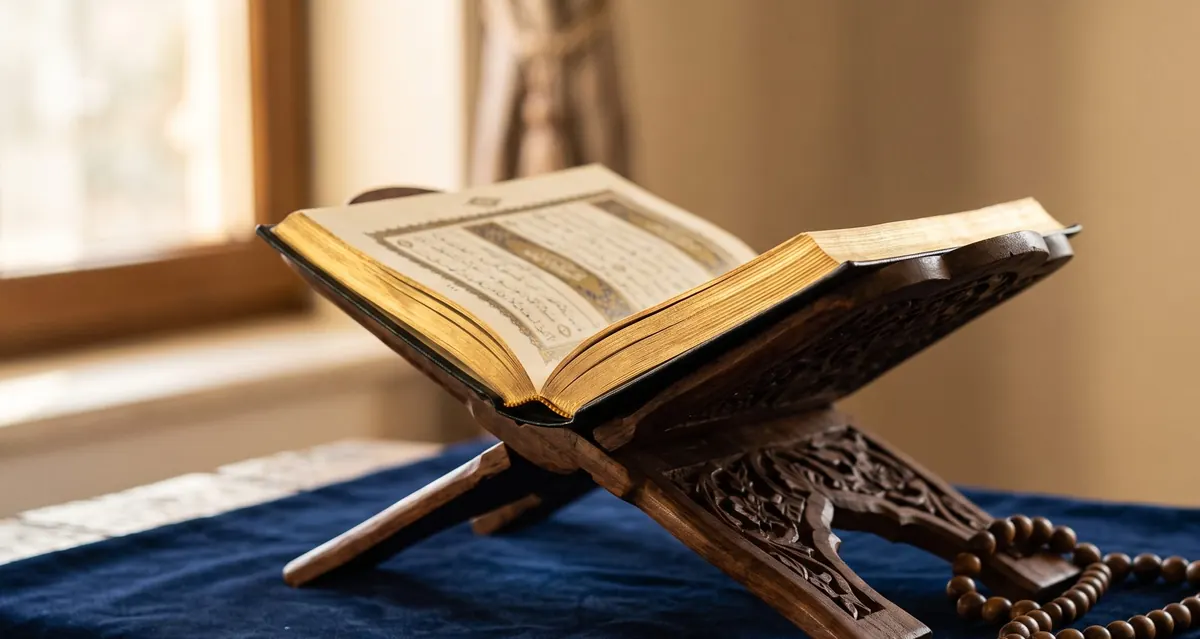
The Sunnah does not leave you without protection. It gives you something far stronger than any object, and it is free, always with you, and it draws you nearer to Allah every time you use it. This is authentic ruqyah: the recitation of the Qur'an, the authentic du'as of the Prophet ﷺ, and the names and attributes of Allah.
The Prophet ﷺ himself sought refuge with the Mu'awwidhatayn, Surah Al-Falaq (113) and Surah An-Nas (114), the two surahs of seeking refuge in Allah, and he ﷺ taught his Companions that there is no better means of seeking refuge than these two. Reciting them, along with Ayat al-Kursi and the morning and evening remembrances, is the daily protection every Muslim has a right to. For the surahs and du'as gathered in one place, see our guide to surahs for protection in Islam. If you are still learning what ruqyah is and how it is practised, start with our foundational guide on what is ruqyah according to Islam.
Reciting over yourself and your family is the first protection Allah has given, and it is a Sunnah in its own right. It has limits. When something persists and is affecting a person's life, a trained Raqi's assessment is the honest next step, so that the Qur'an can be recited over the afflicted person properly and followed week by week.
How we can help
If you have been relying on a taweez, or wearing ruqyah jewellery, and you want to move to what the Sunnah actually gives, we can help you make that change with confidence. Our qualified Shaykhs recite authentic ruqyah over you, from the Qur'an and the Sunnah and nothing else, and give you a clear plan you can hold to at home.
Sessions are online, over Zoom, and strictly one to one, in a private setting where you can speak openly. The recitation of the Qur'an is not diminished by distance; its effect is by the permission of Allah, and reaches you wherever you are. If you have ever wondered whether ruqyah at a distance is valid, our guide on whether online ruqyah is permissible in Islam answers that plainly.
When you are ready, book a one-to-one online ruqyah session and let us assess honestly what you are experiencing and give you a clear way forward.
You can also read more about our private one-to-one ruqyah treatment.
Book your one-to-one Zoom session
Frequently asked questions
Is taweez shirk in Islam?
Wearing a taweez as a means of protection is spoken of as shirk in the Sunnah, because it turns the heart to rely on an object rather than on Allah alone. A narration in Musnad Ahmad states that whoever wears an amulet has committed shirk. Protection and harm are in the hand of Allah, and the protection He has given is the recitation of the Qur'an, not an object worn on the body.
What is a taweez?
A taweez, or tamīmah, is an amulet worn on the body or kept in the home in the belief that it wards off harm, the evil eye, sihr, or misfortune. It is usually a folded paper or metal case on a string, though it can be a bead or knotted thread. The words amulet and talisman describe the same thing.
Are amulets that contain only Qur'an allowed?
The position of the Companion Abdullah ibn Mas'ud was to reject amulets without exception. The Qur'an was revealed to be recited, and its protection reaches you through recitation, not by being folded into a case and worn. For that reason we leave amulets aside altogether, whatever is written inside them, and hold to the clearer, safer path.
Is ruqyah jewellery permissible in Islam?
Ruqyah jewellery, pendants and lockets sold as carrying Qur'anic protection fall under the same ruling as any other amulet, because they involve wearing an object as a means of protection. The protection Allah has given is in reciting His words, not in wearing them. Recite the Qur'an over yourself and your family instead.
What should I do with a taweez I already have?
Remove it, open it and destroy the contents, then turn to Allah with the protection He has given: recite Surah Al-Falaq and Surah An-Nas, Ayat al-Kursi, and the morning and evening remembrances. There is no sin held over you for having worn one out of sincerity; simply leave it for the sake of Allah, and He gives better in its place, by His permission.